
Residential LiFePO4 battery systems in the 5–10kWh range — wall-mounted and rack-mount options for solar self-consumption, backup power, and time-of-use savings. Built for installers, distributors, and OEM partners who need reliable supply, clear specs, and straightforward procurement.
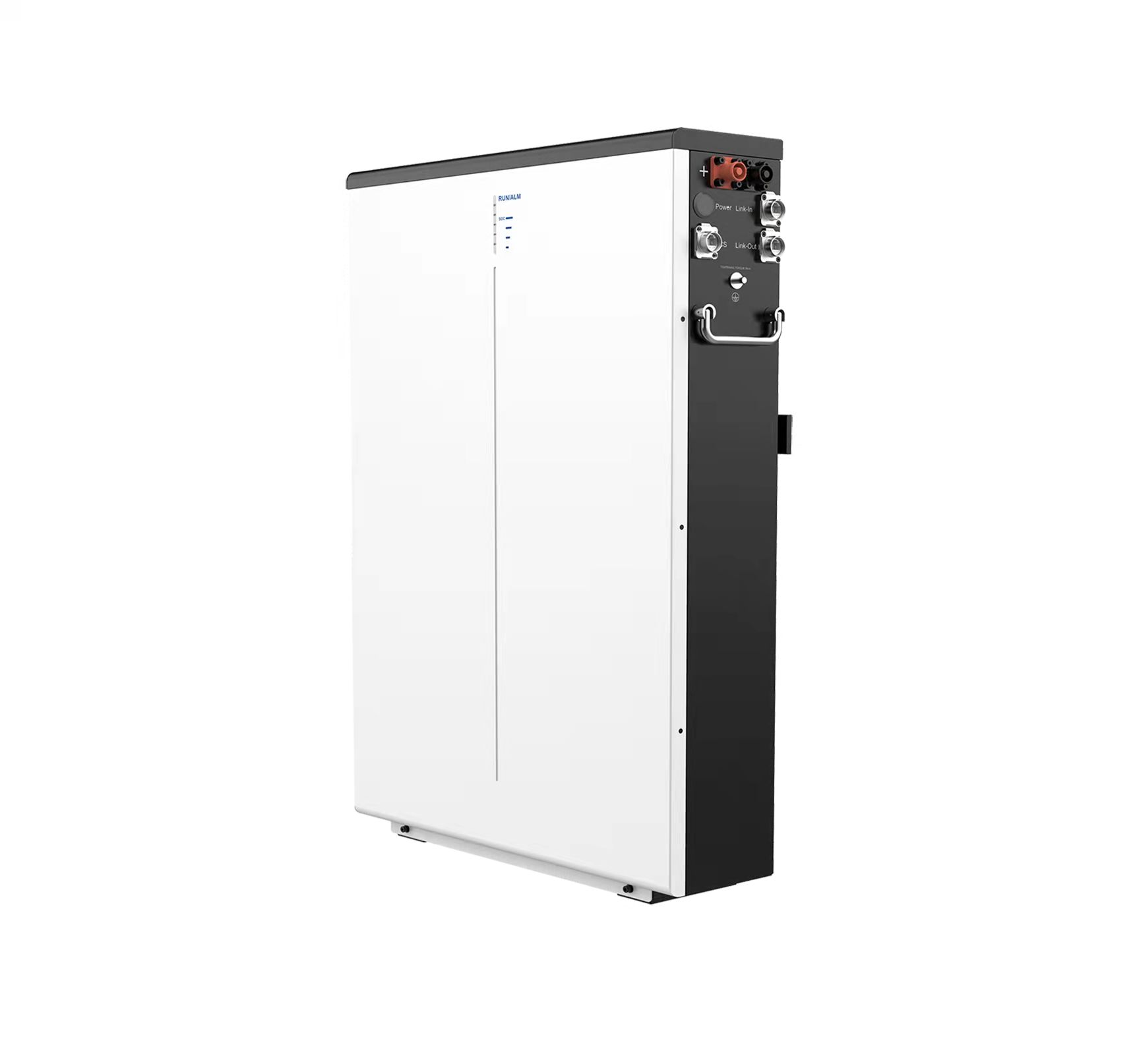
Wall-Mounted
51.2V 100Ah · 5.12kWh. Space-saving home battery for solar + backup.
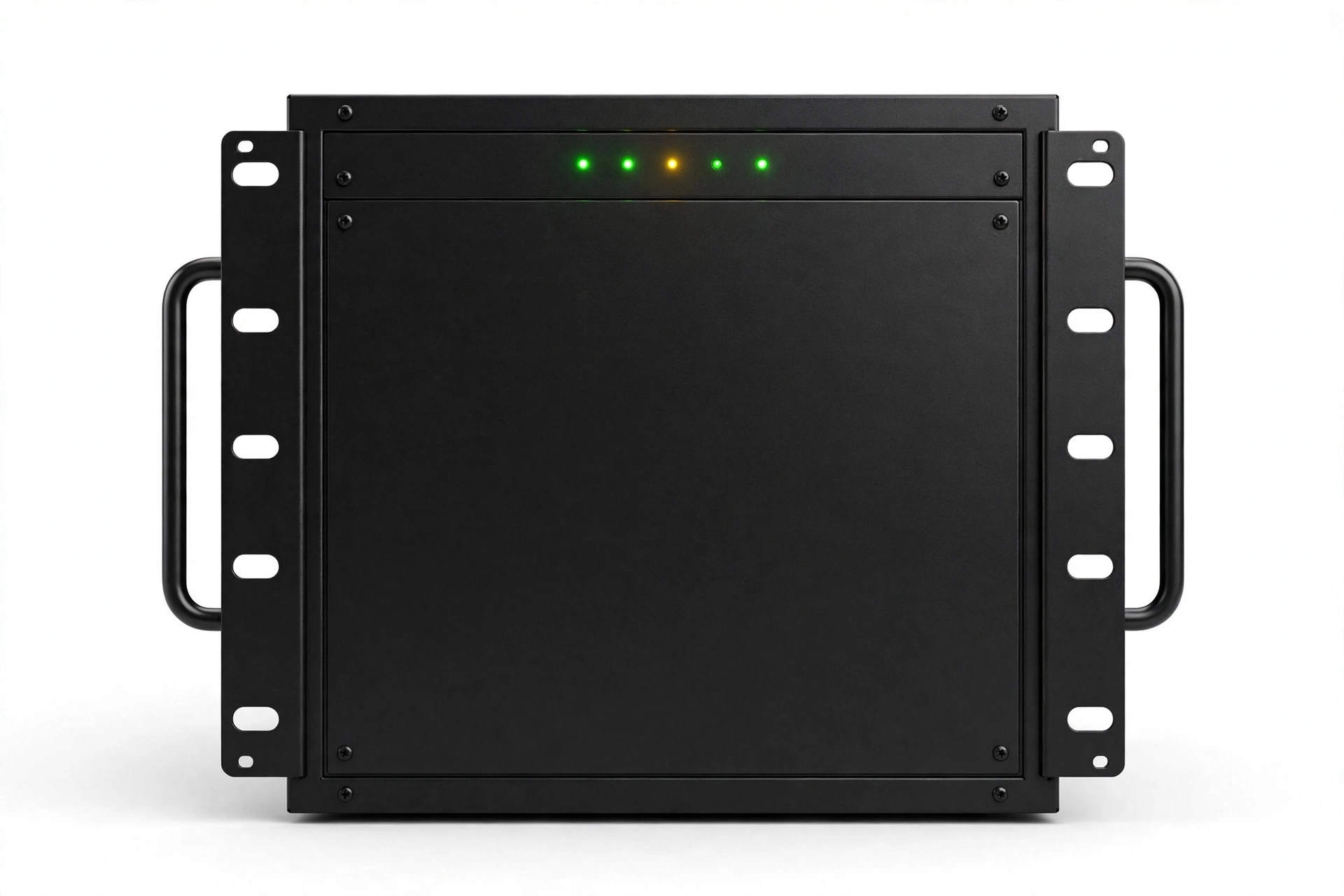
Rack-Mount
48V-class 100Ah · 5.12kWh. Standard rack module, easy to parallel.
Battery Finder
Not sure which fits? Answer 3 questions and get a recommendation.
Wall-Mounted vs Rack-Mount: Which Fits?
| Wall-Mounted (51.2V 100Ah) | Rack-Mount (48V-class 100Ah) | |
|---|---|---|
| Installation | Wall bracket, no floor space needed | 19-inch rack or cabinet |
| Best for | Homes, garages, utility rooms | Larger installs, multi-module systems |
| Expansion | Parallel (confirm max count per order) | Parallel, rack-native design |
| Typical buyer | Residential installers, homeowners | Installers, small C&I projects |
Sizing Your Home Battery
A practical starting point: check the household’s average daily consumption (kWh) from the electricity bill, then decide how much of it the battery should cover.
- ~5kWh (one 51.2V 100Ah wall-mounted or 48V 100Ah rack): overnight essentials — lights, fridge, router, small loads; or daytime solar self-consumption for a small household.
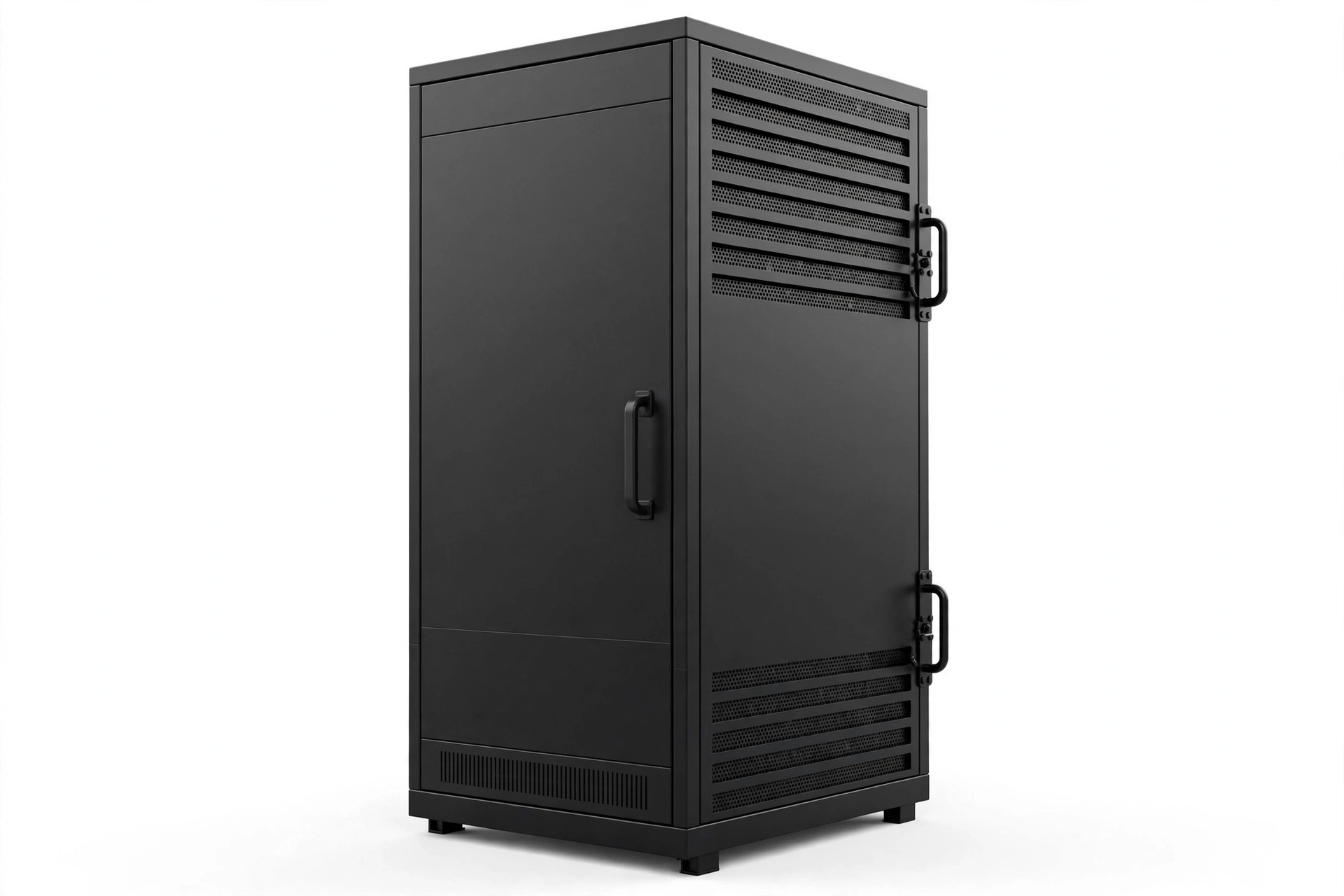
- ~10kWh (one 48V 200Ah, or two 5kWh modules in parallel): whole-home backup for typical evenings, or higher self-consumption ratios.
- 15kWh+: parallel multiple modules. Confirm the maximum parallel count and wiring requirements for your order before designing the system.
Note: usable energy is less than nominal. At 80% depth of discharge, a 5.12kWh nominal module delivers about 4.1kWh usable. Size on usable energy, not the nameplate. See our cycle life vs depth of discharge guide for why 80% DoD is the common design point.
Inverter Compatibility
Our home ESS batteries pair with 48V-class hybrid inverters (the standard category for residential storage). Two points to get right:
- Communication: CAN/RS485 closed-loop communication is preferred where the inverter brand supports it — the BMS and inverter coordinate charge limits automatically.
- Voltage window: confirm the inverter’s battery voltage range covers your pack’s full charge/discharge window before ordering.
Our Home ESS Batteries
Charging & Lifespan
Home ESS batteries typically cycle once per day. At 80% depth of discharge, quality LiFePO4 delivers 4,000+ cycles — roughly 10+ years of daily use before reaching 80% capacity retention. Calendar aging also applies; our calendar aging guide covers storage and standby behavior.
Further reading: LiFePO4 charging guide · Should you charge to 100%? · Battery safety hub
Wholesale & OEM for Installers
We support residential installers, distributors, and energy brands with flexible cooperation: volume pricing, custom branding and labeling, configuration options (capacity, BMS, communication), and sample orders for evaluation. New to battery importing? Start with our MOQ and sample order guide.
Frequently Asked Questions
What’s the difference between 51.2V and 48V batteries?
Most “48V” LiFePO4 batteries are 16-series (16S) at 51.2V nominal — the naming is a market convention. True 15S packs are 48.0V nominal. Both work with 48V-class hybrid inverters, but charge voltage settings differ. Confirm the cell count for your order and configure the inverter accordingly.
How much capacity does my home need?
Start from daily consumption on the electricity bill. A 5kWh module covers overnight essentials for a typical household; 10kWh suits whole-evening backup or higher solar self-consumption. Remember to size on usable energy (~80% of nominal at standard DoD).
Can I expand the system later?
Yes — parallel expansion is supported. Use identical modules at similar state of charge, and confirm the maximum parallel count for your specific order before designing the system.
Which inverters are compatible?
48V-class hybrid inverters from major brands. CAN/RS485 closed-loop communication is preferred where supported. Always verify the inverter’s battery voltage window against your pack’s charge/discharge range.
Do you offer installer pricing?
Yes — we work with installers and distributors on volume pricing, and support OEM branding for energy brands. Contact us with your project details for a quotation.