
Battery Technology

Cell, BMS, lifespan and the technical principles behind LiFePO4 batteries.

How Batteries Survive in Space: Thermal, Radiation & Reliability Engineering

Space is the harshest battery environment imaginable: −150°C to +120°C swings, vacuum, radiation, and zero chance of replacement. This is how spacecraft batteries are engineered to survive. Thermal Extremes: The #1 Killer In orbit, temperatures swing from −150°C (eclipse) to +120°C (direct sun) within 90 minutes. Batteries survive via: Heaters: Survival heaters keep cells above

How Batteries Survive in Space: Thermal, Radiation & Reliability Engineering Read More »
How to Choose Batteries for Humanoid Robots: A Buyer’s Selection Guide

Humanoid robots demand the impossible from batteries: maximum energy in minimum mass, massive peak power for dynamic motion, and absolute safety next to humans. Wheeled warehouse robots have different constraints; see batteries for AGVs and AMRs. This guide breaks down the engineering tradeoffs. The Peak-Power Problem Walking, lifting, and recovering from pushes demand 3–5x the

How to Choose Batteries for Humanoid Robots: A Buyer’s Selection Guide Read More »

21700 vs 4680 Battery Cells: Size, Energy Density & Best Uses

21700 and 4680 are the two dominant cylindrical lithium cell formats — but they serve different masters. This guide compares dimensions, energy density, manufacturing, and applications to help you choose. Dimensions at a Glance Format Diameter × Height Volume 21700 21mm × 70mm ~24 mL 4680 46mm × 80mm ~133 mL The 4680 holds ~5.5x

21700 vs 4680 Battery Cells: Size, Energy Density & Best Uses Read More »

Sodium-Ion vs LiFePO4 Batteries for Energy Storage: Cost, Performance, Outlook

Content type: Technology comparison for energy-storage buyers. This article separates confirmed facts, manufacturer claims, industry reporting, and engineering inference. LJY Energy is a China-based LiFePO4 battery supplier and OEM/ODM partner; this article does not imply LJY Energy supplies sodium-ion products. The short answer: Sodium-ion batteries have reached the edge of the LiFePO4 performance band —

Sodium-Ion vs LiFePO4 Batteries for Energy Storage: Cost, Performance, Outlook Read More »

RV Lithium Battery System Design Guide: Capacity, Charging, BMS and Safety

Designing an RV lithium battery system? This guide covers capacity sizing, charging sources, BMS selection, and safety — everything you need to replace lead-acid with LiFePO4. Sizing Your Battery Bank Calculate daily consumption: List all DC and AC loads with wattage and hours Total Wh ÷ 0.85 (inverter efficiency) = battery Wh needed Add 20%

RV Lithium Battery System Design Guide: Capacity, Charging, BMS and Safety Read More »

How to Test LiFePO4 Battery Capacity and Internal Resistance: A Buyer’s Guide

Buying LiFePO4 cells or packs? Don’t trust the label — verify. This guide shows you how to test actual capacity and internal resistance with methods ranging from a basic multimeter to professional grading equipment. Why Test? The Label Isn’t Enough Capacity fraud is common: rewrapped B-grade cells sold as A-grade, inflated Ah ratings, missing test

How to Test LiFePO4 Battery Capacity and Internal Resistance: A Buyer’s Guide Read More »

48V Golf Cart Lithium Conversion: Complete Engineering Guide

Electrical Architecture: Five Subsystems A 48V golf cart has five electrical subsystems you must understand before conversion: Traction: Motor + controller + main solenoid. Peak currents reach hundreds of amps. Battery pack: 48V source (lead-acid 6x8V/4x12V, or single lithium pack). Charging: Onboard/external charger. Lead-acid era often controlled by an OBC. 12V accessories: DC-DC converter +

48V Golf Cart Lithium Conversion: Complete Engineering Guide Read More »

Why Do LiFePO4 Batteries Fail Early? 7 Causes and Prevention

A healthy LiFePO4 battery should last 3,000–6,000 cycles at 80% depth of discharge, or 8–12 years in real-world service — see our lifespan guide for what those numbers actually mean. But some batteries never get there. This guide explains why, in actual electrochemical terms: what physically happens inside a cell when it is overcharged, over-discharged,

Why Do LiFePO4 Batteries Fail Early? 7 Causes and Prevention Read More »

Battery Chemistry Comparison: LFP vs NMC, Sodium-Ion, Lead-Acid & More

Content type: Battery chemistry comparison hub — the entry page for LJY Energy’s side-by-side chemistry comparisons. This page strictly separates confirmed facts (textbook electrochemistry, datasheet-verified values), manufacturer specifications (labeled as such — not field data), and industry reporting (analyst and press benchmarks of medium reliability). Figures from different test conditions are never mixed in a

Battery Chemistry Comparison: LFP vs NMC, Sodium-Ion, Lead-Acid & More Read More »

media generation cell balancing deep dive cover 0 30f402ef 387d 4b2d 8c5e cb0f61fec3da

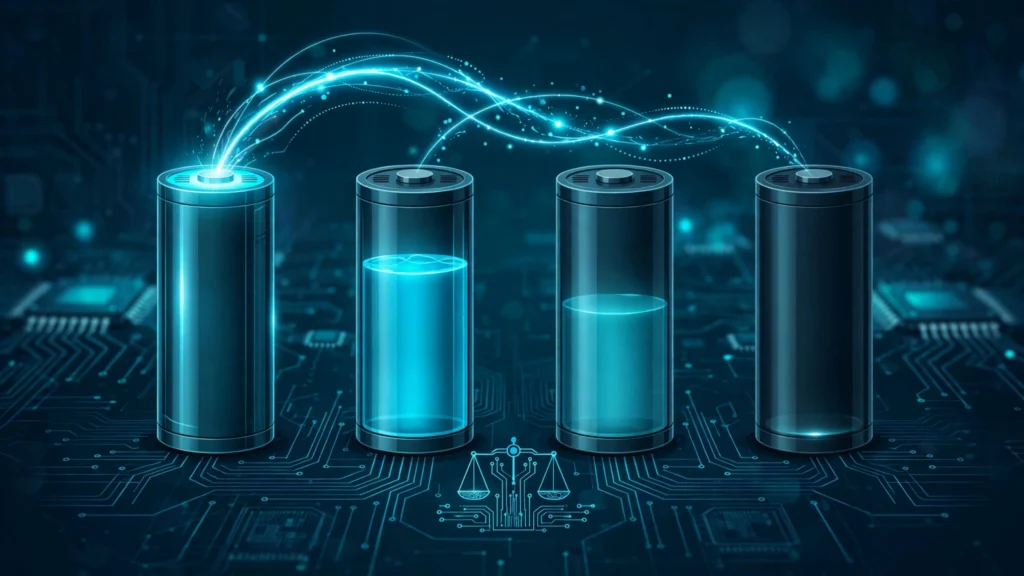
Cell Balancing in LiFePO4 Batteries: A Buyer’s Deep-Dive Guide

Content type: B2B technical guide — helps wholesale buyers evaluate the cell-balancing design of a LiFePO4 battery before ordering. This article distinguishes verified facts (cell voltages, balancing principles, published standards), industry experience (buyer-community practice, vendor parameter ranges), and LJY Energy’s recommendations; each is labeled where it appears. No brand recommendations, no test data, no factory

Cell Balancing in LiFePO4 Batteries: A Buyer’s Deep-Dive Guide Read More »