
Time-of-use electricity pricing turns a home battery into a clock as well as a tank: it charges when power is cheap — overnight at the off-peak rate, or midday from solar panels — and discharges when power is expensive, during the evening peak. That is energy arbitrage, or load shifting. The battery does not generate electricity; it moves energy from a cheap hour to an expensive hour. And the move is not free: a lithium iron phosphate battery returns about 88–92% of the energy put into it, so roughly a tenth is lost as heat on every round trip. What pays is the gap between the peak price and the charging price, minus that loss — not the peak price alone. A high peak rate with a small gap earns less than a modest peak rate with a wide gap, and a short peak window earns less than a long one. Sizing starts from the evening window, not from the whole house. Read the rate plan first: find the peak hours — in many plans the evening window runs about 17:00–22:00 — then add up the kilowatt-hours the house actually uses inside that window. That number, not the total daily consumption, is what sizes the battery. A household that draws 2 kWh in the evening needs a different battery from one that draws 8 kWh, even if their monthly bills look alike. Start with one module that covers the evening window, and add modules in parallel as the window or the load grows; the parallel limit is confirmed per project in the quotation. The honest limit matters as much as the mechanism. A 2026 case study by Battery Economics put one home battery on 12 real US utility time-of-use rates and measured what rate arbitrage alone actually saves: none of the 12 rates paid the battery back within its 10-year warranty on arbitrage alone. The study’s lesson is not that batteries lose money — it is that arbitrage alone is rarely the whole case. A home battery earns in three places at once: the rate gap, backup power during outages, and solar self-consumption when export prices are low. Buy the battery for the three together, sized to your evening window, and check your own rate plan before deciding — the gap on your bill is the only one that counts.
LJY Energy is a LiFePO4 battery supplier and OEM/ODM coordinator in Shenzhen; we are not a factory, and we do not sell inverters, rate plans or installation. This guide covers the battery side of time-of-use arbitrage — how the mechanism works, how the evening window sizes the pack, and how the pack grows with the need. The rate figures in the study cited here come from public 2026 US utility tariffs, and they are a case study, not a promise about any other rate plan: check your own tariff sheet before deciding. Two boundaries matter. First, this guide is about low-voltage home systems — 12 V, 24 V and 48 V packs — not about higher-voltage or commercial battery strings, and not about the inverter, the wiring or the installation, which come from your installer. Second, the numbers here are planning ranges: the load that sizes your pack is your own evening window in kilowatt-hours, and the pack size itself is confirmed per project in the quotation. Start with one pack and add modules in parallel as the need grows; the parallel limit for a bank is confirmed per project in the quotation, because it depends on the BMS configuration of the batteries you order.
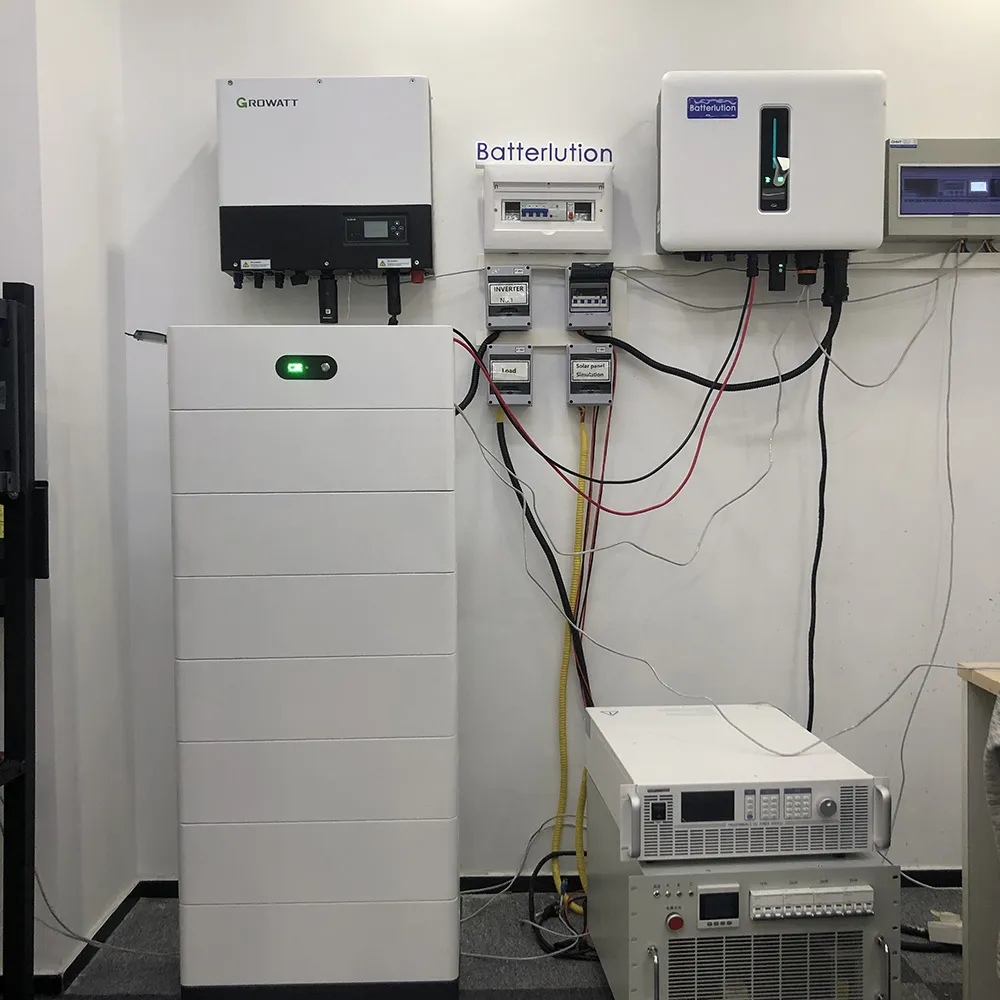

Time-of-use reference
| Evening peak window, example | 17:00–22:00 |
| Peak window length | 5 h |
| Evening load, example | 400 W |
| Evening energy, example | 2000 Wh |
| Round-trip efficiency, typical range | 88–92% |
| Reference battery module energy | 5.12 kWh |
| Usable energy at eighty percent depth | 4.1 kWh |
| Rates repaying the battery on arbitrage alone | 0 / 12 |
| What else the battery earns | — |
Battery specifications live on the 51.2V 100Ah wall-mounted battery page; confirm values on the product page and in the written quotation for your project.
Worked example
An evening load of 400 W — fridge, lights, router and the television — draws 2000 Wh across a 5-hour peak window. A 5.12 kWh module holds about 4.1 kWh usable at 80% depth of discharge, so one module covers the evening twice over — the second module is for a longer window or a heavier load, not for tonight. The round trip is not free: at about 90% round-trip efficiency, putting 2000 Wh into the evening takes about 2220 Wh of charging energy, so the gap between peak and off-peak prices has to be wide enough to pay for the tenth that is lost as heat. Size from your own evening window, not from this example, and confirm the pack size per project in the quotation.
What to send before a proposal
- Your evening peak window and the kilowatt-hours the house uses inside it — from the rate plan and a recent bill, not from the monthly total
- Your essential evening load in watts, and whether the load runs overnight or only in the evening
- Whether solar charging is part of the system, and the inverter model if one is already installed
Request a sizing
Send the evening window, the kilowatt-hours inside it and whether solar is part of the system. LJY Energy will work out the pack size and answer it in the quotation itself — which is where it belongs. Start with one pack and add modules in parallel as the need grows; the expansion model is fixed from day one so a second pack next year is a swap-in, not a redesign. Remember the honest limit: arbitrage alone rarely pays a battery back, so size for the evening window and let backup power and solar self-consumption carry the rest of the case. We coordinate OEM/ODM battery supply from Shenzhen; we are not a factory, and every order is confirmed in writing before production.

Request a time-of-use battery quote · WhatsApp +86 159 8945 0735