
You have decided to switch to lithium — and now there is a bank of old lead-acid batteries to deal with. They are heavy, they contain lead and dilute sulphuric acid, and in most places they may not go into general waste. This page explains the disposal paths that exist for used lead-acid batteries, what to ask your supplier about trade-in or core credit, and how to handle the old bank safely until it is collected. The old batteries leave, the lithium bank arrives, and nothing hazardous is left behind.
Start with the channels that already exist. In most markets, used lead-acid batteries go back through the shop or dealer that sold them, a local battery recycler, a scrap-metal dealer, or the municipal hazardous-waste collection — ask all four, because take-back terms differ by country and by buyer. A recycler recovers the lead, neutralises the acid and reprocesses the plastic cases; in the United States, industry reporting puts the lead-acid recycling rate near 99%, though the rate varies by country, so treat that as a reason to use the local channel rather than a promise about your market. Before you hand the bank over, ask whether a core credit or trade-in applies, what paperwork the buyer needs, and whether collection is arranged or you deliver — and get the answers in writing before you agree anything. Handle the old batteries with gloves and eye protection, keep them upright with the terminals protected against short circuits, work in ventilated air, and wash your hands after touching them; never open a sealed battery, and keep children away from the storage area. For transport, flooded lead-acid batteries are UN2794, batteries wet, filled with acid, and sealed non-spillable types such as AGM and VRLA are UN2800 — both are Class 8 corrosive goods, so tell your carrier what you are shipping and let the carrier confirm the packing and labelling. LJY Energy is a Shenzhen-based LiFePO4 battery supplier and OEM/ODM coordinator, not a factory: we supply the replacement packs and prepare the UN 38.3 test summary and safety data sheet for each order, but we do not collect or buy back used lead-acid batteries — disposal stays with your local recycler or the shop that sold the old bank. The switch itself is usually the easy part; the old bank is the part that needs a plan.
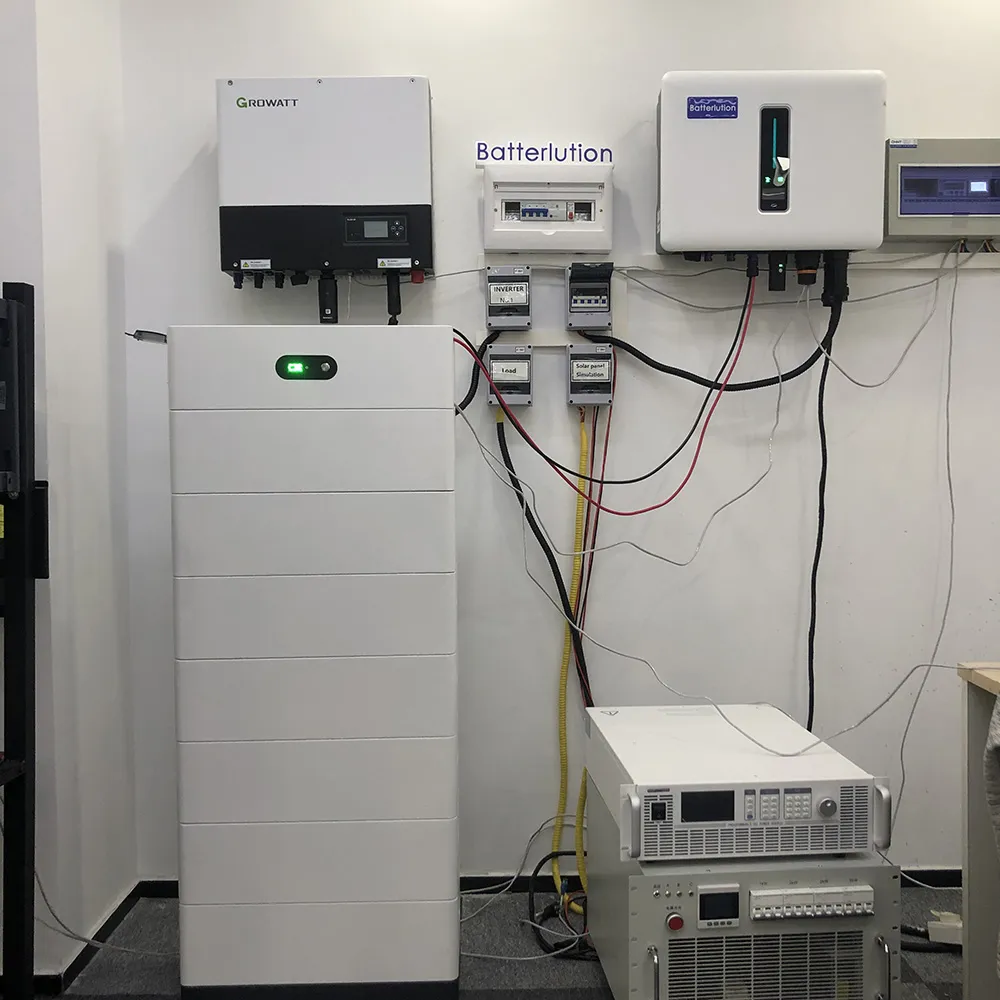

Old lead-acid batteries at a glance
| Lead-acid cell, nominal voltage | 2 V |
| Cells in series in a 12 V starter battery | 6 |
| Usable capacity, lead-acid (recommended depth-of-discharge limit) | 50% |
| Usable capacity, LiFePO4 (BMS-managed) | 90% |
| Flooded lead-acid cycle life at 50% depth of discharge | 300–500 |
| UN number, wet lead-acid battery filled with acid | UN2794 |
| UN number, wet non-spillable battery | UN2800 |
| Hazard class for lead-acid batteries in transport | 8 |
For the numbers behind the switch, see our guide comparing LiFePO4 with lead-acid batteries.
Worked example: usable energy, old bank against new pack
A 100 Ah lead-acid battery discharged to its usual 50% limit delivers about 50 Ah of usable energy. A 100 Ah LiFePO4 battery discharged to 90% delivers about 90 Ah. The same nameplate, nearly twice the usable energy — which is why the replacement pack is often smaller than the bank it replaces, and why the old bank’s weight and volume, not its amp-hours, decide how much there is to hand over for recycling.
What to settle before collection day
- Read the label on each old battery — voltage, capacity and type, flooded, AGM or gel — and keep the bank upright with the terminals protected against short circuits until collection
- Ask your recycler or the shop that sold the old bank whether they take batteries back, whether a core credit or trade-in applies, and what paperwork they need — terms differ by country and by buyer, so confirm them before you agree anything
- Ask your lithium supplier what the replacement pack needs from the old installation — cables, rack space, charger settings — and confirm the replacement’s specifications, pricing, MOQ and lead time per project before shipment
Request a lithium replacement sizing
Send us the old bank’s voltage, capacity and application, and LJY Energy will size a LiFePO4 replacement and give your installer the product description, chemistry, capacity and application details for the swap. We prepare the UN 38.3 test summary and safety data sheet for each order; we do not collect or buy back used lead-acid batteries — disposal stays with your local recycler or the shop that sold the old bank. Recycling rules, core-credit terms and collection options differ by country, so confirm them locally before the old bank leaves your site.

Send the old bank’s details for a replacement sizing · WhatsApp +86 159 8945 0735