A home battery and an EV charger answer two different questions, and mixing them up is the most common sizing mistake: the battery’s size in kWh decides how much driving energy it can hold, while its power in kW decides how fast it can feed the charger. A typical electric car carries 50–100+ kWh; a common home storage module holds 5.12 kWh. That gap is the honest starting point — a home battery tops the car up overnight and covers evening household loads, it does not refill an empty EV. This guide sizes the combination from your own driving: daily kilometres, charger level, and the two numbers that decide whether the battery earns its place.
LJY Energy is a China-based LiFePO4 battery supplier and OEM/ODM solutions provider in Shenzhen; we are not a factory. We supply the battery modules — the charger, the wiring and the installation come from your local installer, and electrical rules, charger approvals and grid-connection requirements differ by country, so check your local rules before ordering. Vehicle-to-home (V2H) — using the car itself as a home battery — is an emerging capability on some vehicles and chargers; it is not a feature LJY Energy sells, and compatibility is confirmed per project. Module size, inverter compatibility, pricing, MOQ and lead times are confirmed per project, in writing, before production. General procurement guidance as of 31 October 2026: not legal, certification or engineering advice.
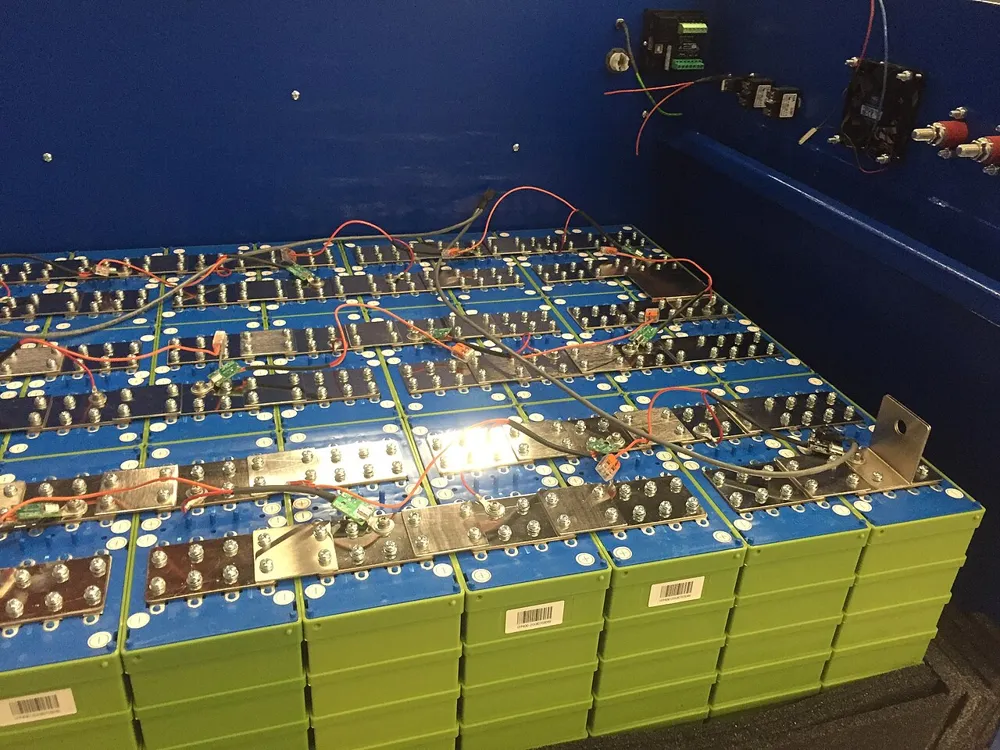

Charging Levels and Storage Sizes at a Glance
| Home charger levels | 3.6 · 7 · 11 · 22 kW |
| Wall charger range per hour | 40–45 km/h |
| Home battery continuous output | ~5 kW |
| Electric car battery size | 50–100+ kWh |
| Storage module | 5.12 kWh |
| Larger storage module | 10.24 kWh |
| Daily driving example | 50 km · 8 kWh |
| Overnight charging window | 8 h |
| Expansion | — |
The storage module behind these numbers — one 5.12 kWh wall-mounted unit, expandable in parallel — is on the 51.2V 100Ah wall-mounted battery page; confirm the values for your configuration in the written quotation.
The Worked Example: Your Daily Drive, in Numbers
Work it out from your own driving: 50 km a day at 16 kWh per 100 km needs 8 kWh a day. A 5.12 kWh module holds about two-thirds of that day; a 10.24 kWh module covers the whole day and leaves room for evening household loads. At 7 kW, one hour of charging adds roughly 40–45 km of range, so an 8-hour overnight window is far more than a normal day needs. The power question is separate: a home battery delivering about 5 kW continuous feeds a 3.6 kW charger on its own, but a 7 kW charger draws more than one battery unit delivers — the grid, or solar and battery together, covers the rest.
What to Send, and What to Check First
- What to send in your inquiry: daily kilometres, your charger’s kW rating, whether you have solar, and the evening loads the battery must also cover — the sizing starts from those four facts, not from the car’s battery size
- Two honest rules: size the battery from daily driving energy, not from the EV’s full battery; and check the battery’s continuous kW against the charger’s kW before assuming the battery can feed the charger alone
- How the combination works: solar charges the battery by day where a system exists, the battery covers evening loads and the overnight top-up, and the grid covers the rest — the battery moves energy in time, it does not generate it
- Vehicle-to-home is a separate question: some vehicles and chargers can feed the house from the car’s battery, but it needs compatible hardware on both sides and is confirmed per project — it is not part of a standard home battery order
Request a Sizing Proposal
Send your daily kilometres, charger rating and evening loads through the EV charging storage inquiry form. You will receive a sizing proposal with the module count, inverter compatibility, pricing, MOQ and lead time stated in writing — the complete basis for deciding whether home storage earns its place beside your charger. Start with one module and add more in parallel as the need grows.