
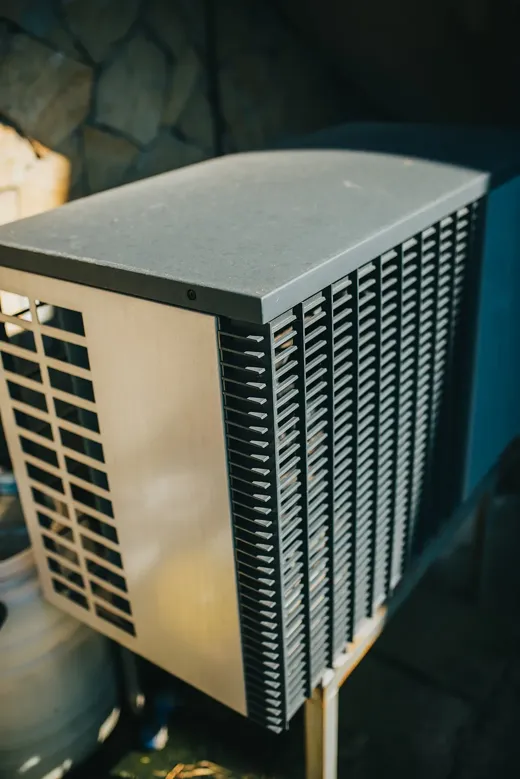
A heat pump does not make heat — it moves heat, from the air or the ground into the house, and that is why one unit of electricity can deliver about three units of heat. That ratio, the coefficient of performance, is a planning figure: measured seasonal performance across 77 heat pumps in existing German homes ranged from 2.6 to 5.4 (Fraunhofer ISE, four-year field study). The pairing question for a battery is not whether the heat pump is efficient — it is when the electricity is used. Solar panels make power at midday; the heat pump wants it most in the evening and on cold mornings, when the sun is down. The battery’s job is to move daytime solar into those hours. The order matters: solar first covers the live load in the house, the surplus charges the battery, and the battery covers the evening demand. The heat pump runs on solar by day and on off-peak grid power at night; the battery is not the heat pump’s fuel source, and sizing it as if it were is the most common mistake in these systems. Measured data keeps the expectations honest. In a Fraunhofer ISE field study of one house in Freiburg, Germany — a 1960 house with a 13.9 kW ground-source heat pump, 12.3 kW of solar panels and an 11.7 kWh battery — solar panels and battery together covered 36% of the heat pump’s electricity over a year: 28% in space-heating mode and 51% in hot-water mode (Fraunhofer ISE field study, reported by pv magazine, January 2024). That is one building with one control setup, not a universal benchmark, but it shows the shape of the answer: the battery lifts self-consumption; it does not make the heat pump independent of the grid. A second honest point: a hot-water buffer tank usually stores heat more cheaply than a battery stores electricity. The tank and the battery should be modelled separately — by tariff and by roof area — and a smart control such as SG Ready, or a simple timer, can raise self-consumption without any battery at all. The battery covers the expensive hours, not the whole cold night: on a cold night the heat pump keeps drawing while a small battery is empty within hours, and the grid covers the rest. Size the battery from the evening peak window — the kilowatt-hours between sunset and bedtime — and start with one module, adding modules in parallel as the need grows.
LJY Energy is a LiFePO4 battery supplier and OEM/ODM coordinator in Shenzhen; we are not a factory, and we do not sell heat pumps. This guide covers the battery side of a heat-pump system — which pack size matches an evening peak window, how the scheduling order works, and how the pack grows with the need. The heat-pump figures here come from public measured studies and are planning ranges, not specifications for any particular heat pump: check the nameplate and the manual of the unit you own or plan to buy. Two boundaries matter. First, this guide is about low-voltage home systems — 12 V, 24 V and 48 V packs — not about higher-voltage or commercial battery strings, and not about the inverter, the wiring or the installation, which come from your installer. Second, the numbers here are planning ranges: the load that sizes your pack is your own evening load in watts and hours, and the pack size itself is confirmed per project in the quotation. Start with one pack and add modules in parallel as the need grows; the parallel limit for a bank is confirmed per project in the quotation, because it depends on the BMS configuration of the batteries you order. Policy note: in the UK, installed energy-saving materials — heat pumps and batteries included — are zero-rated for VAT until 31 March 2027 and revert to 5% from 1 April 2027, and the October 2026 Budget did not extend the relief (HMRC VAT Notice 708/6). Other countries have their own rules — check yours before you size the system.

Pairing reference
| Heat output per unit of electricity | ≈3 |
| Heat-pump electricity covered, all modes | 36% |
| Heat-pump electricity covered, space heating | 28% |
| Heat-pump electricity covered, hot water | 51% |
| Reference battery module energy | 5.12 kWh |
| Usable energy at eighty percent depth | 4.1 kWh |
| Measured seasonal performance range | 2.6–5.4 |
| UK zero VAT rate ends | 2027-03-31 |
| Whole-night heating from one module | — |
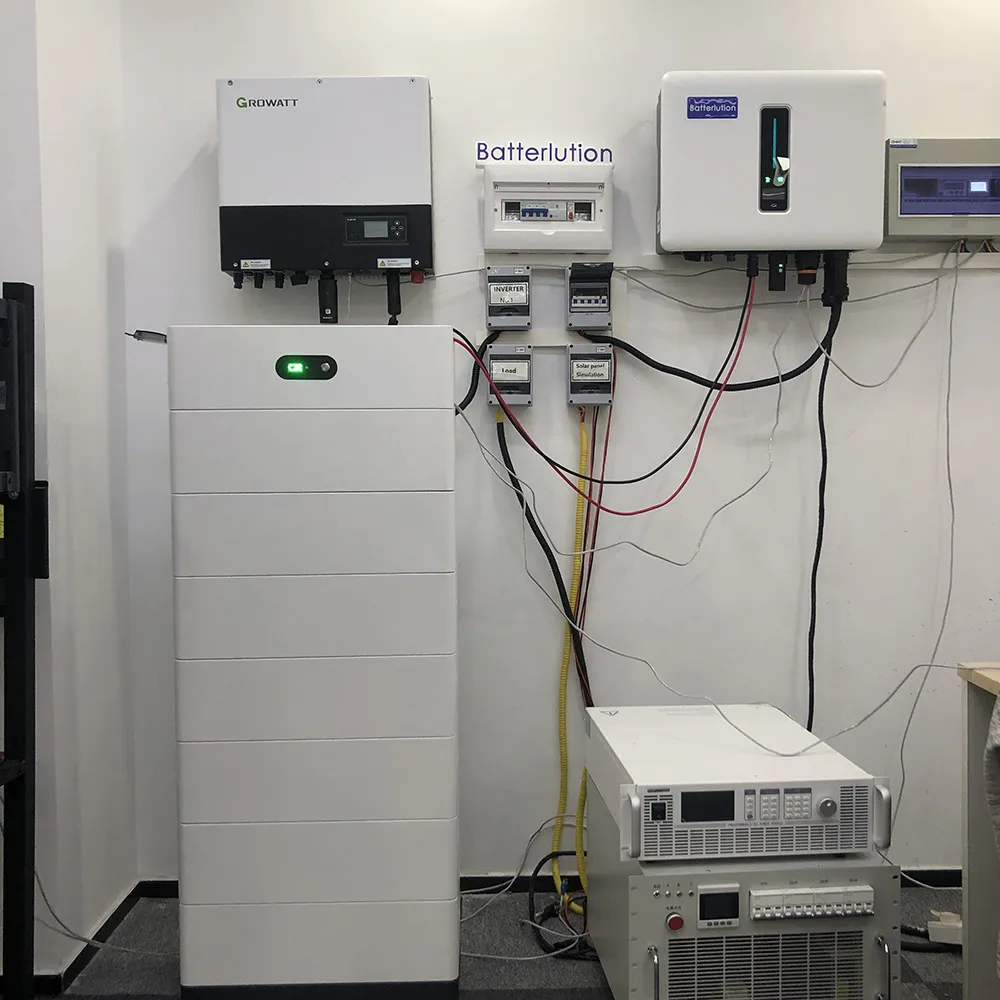
Battery specifications live on the 51.2V 100Ah wall-mounted battery page; confirm values on the product page and in the written quotation for your project.
Worked example
A 5.12 kWh battery module holds about 4.1 kWh usable at 80% depth of discharge. In the Fraunhofer Freiburg house, solar panels and battery together covered 36% of the heat pump’s electricity over a year — 28% in space-heating mode and 51% in hot-water mode. The battery’s job in that system was to move daytime solar into the evening, not to run the heat pump through the night: on a cold night the heat pump keeps drawing while the battery is empty, and the grid covers the rest. Size the battery from your evening peak window — the kilowatt-hours between sunset and bedtime — and confirm the pack size per project in the quotation.
What to send before a proposal
- Your heat pump’s type and size — air-source or ground-source, and its thermal output — plus the solar array size if panels are already on the roof
- Your evening peak window: the hours and the kilowatt-hours between sunset and bedtime, and whether your tariff has peak and off-peak rates
- Whether a hot-water buffer tank or a smart control such as SG Ready is already in place, and the longest cold stretch you plan for
Request a sizing
Send the heat-pump details, the evening peak window and whether solar is part of the system. LJY Energy will work out the pack size and answer it in the quotation itself — which is where it belongs. Start with one pack and add modules in parallel as the need grows; the expansion model is fixed from day one so a second pack next year is a swap-in, not a redesign. A battery, a buffer tank and a smart control together cover more than any one of them alone — the battery shaves the most expensive hours, the tank stores heat cheaply, and the control makes sure the heat pump runs when power is cheapest. We coordinate OEM/ODM battery supply from Shenzhen; we are not a factory, and every order is confirmed in writing before production.

Request a heat pump battery quote · WhatsApp +86 159 8945 0735