
A hurricane, a typhoon and a cyclone are the same storm with three names — and wherever you live, the outage they leave behind is the same problem: not a one-hour blip, but days without grid power. The Atlantic hurricane season runs from 1 June to 30 November; the typhoon and cyclone belts face the same risk through much of the year. This checklist is about getting a home battery ready before the season, not during it: which loads the battery must carry, how much energy three to five days of those loads actually takes, and what to check in the 48 hours before landfall. The loads that matter are the ones that protect the house and the people in it — the fridge that keeps food safe, the well pump that keeps water running, the sump pump that keeps the basement dry, a CPAP or an oxygen concentrator that someone sleeps with, and the lights and phones that keep a household connected. Size the battery for those loads first; everything else is a bonus. In the 48 hours before landfall, four checks matter: charge the battery to full, raise the reserve setting so the pack holds its energy for the outage, confirm the storm-precharge setting is on if the system has one, and run a switchover test so the house moves to battery power without a surprise. Over several days, the battery lasts when solar panels recharge it each day and the household sheds the loads it can live without — the plan is daily charging plus disciplined load-shedding, not one giant pack. A seasonal forecast tells you how busy the season may be, not whether a storm will hit your town — so the preparation is the same in a quiet year as in a busy one, and the battery you size now is the one you will rely on next season and the season after.
LJY Energy is a LiFePO4 battery supplier and OEM/ODM coordinator in Shenzhen; we are not a factory. This guide covers the battery side of storm-season backup only — low-voltage home systems, 12 V, 24 V and 48 V wall-mounted and rack-mounted packs, and how the pack size matches the loads on this checklist. Start with one module and add modules in parallel as the need grows; the parallel limit for a bank is confirmed per project in the quotation, because it depends on the BMS configuration of the batteries you order. One honest boundary: a battery on its own struggles to carry a large house through three or more days with no solar recharging, and the most capable residential setup is a battery working with a generator — the battery covers the short outages and the quiet hours, the generator covers the long tail. The pack size, the inverter pairing and the surge headroom for your pumps are all confirmed per project in the quotation, in writing, before production.
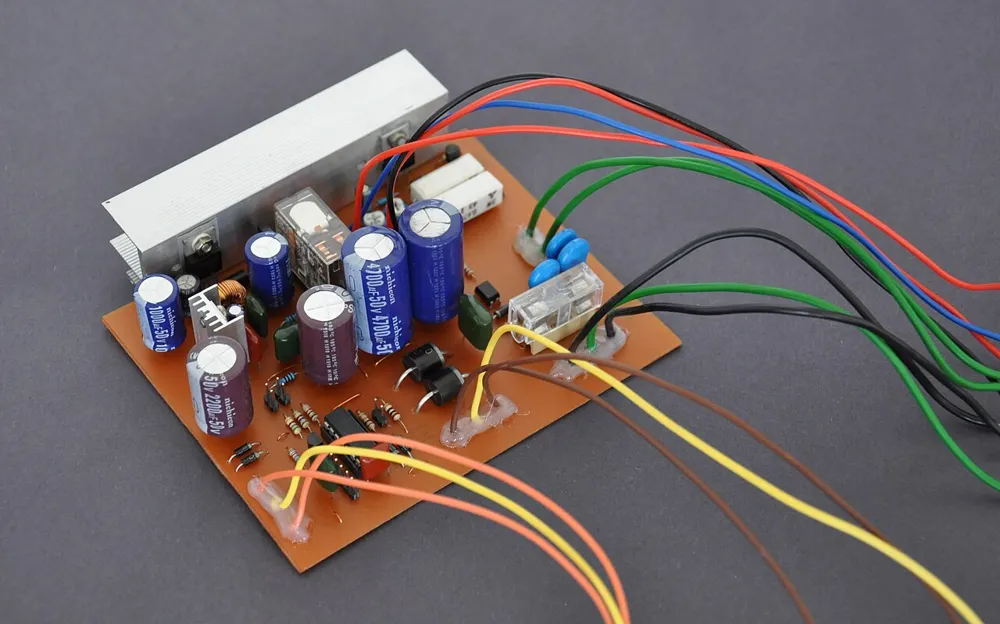

Critical loads at a glance
| Refrigerator, running draw | 150–200 W |
| Refrigerator, compressor starting surge | 800–1,200 W |
| Well pump, running draw | 750–1,500 W |
| Well pump, starting surge | 2,000–4,000 W |
| Sump pump, running draw | 500–1,000 W |
| Sump pump, starting surge | 1,000–2,150 W |
| CPAP, heated humidifier on | 30–70 W |
| Home oxygen concentrator | 250–600 W |
| Reference home storage module | 51.2 V · 100 Ah · 5.12 kWh |
Battery specifications live on the 51.2V 100Ah wall-mounted LiFePO4 battery page; confirm values on the product page and in the written quotation for your project.
Worked example
A fridge drawing 200 W together with lights and phone charging adds up to about 2400 Wh over a 12-hour night. A 5.12 kWh module holds about 4.1 kWh usable at 80% depth of discharge, which covers roughly 20 hours of that load — most of a night and well into the next day. A well pump drawing 1000 W while it runs is a different job: it needs the starting surge covered too, so size the inverter for the surge, not just the running watts — and confirm the pack size and inverter pairing per project in the quotation.
What to send before a proposal
- The critical loads to cover and their nameplate watts — fridge, well pump, sump pump, medical devices — and how many days the backup must last
- Whether solar panels are part of the system, and the inverter model if one is already installed
- How many modules the house already has, if any, and whether the storm-season expansion is a first install or an add-on
Request a sizing
Send the critical loads, their nameplate watts, the number of days to cover and whether solar is part of the system. LJY Energy will work out the pack size and answer it in the quotation itself — which is where it belongs. Add modules before the storm season and restore the usual reserve setting once it passes; the expansion model is fixed from day one so a second module next year is a swap-in, not a redesign. Prepare before the season, not during it — and in the typhoon and cyclone belts, where the risk runs through much of the year, the same checklist applies whenever the forecast turns. We coordinate OEM/ODM battery supply from Shenzhen; we are not a factory, and every order is confirmed in writing before production begins.

Request a storm-season backup quote · WhatsApp +86 159 8945 0735