
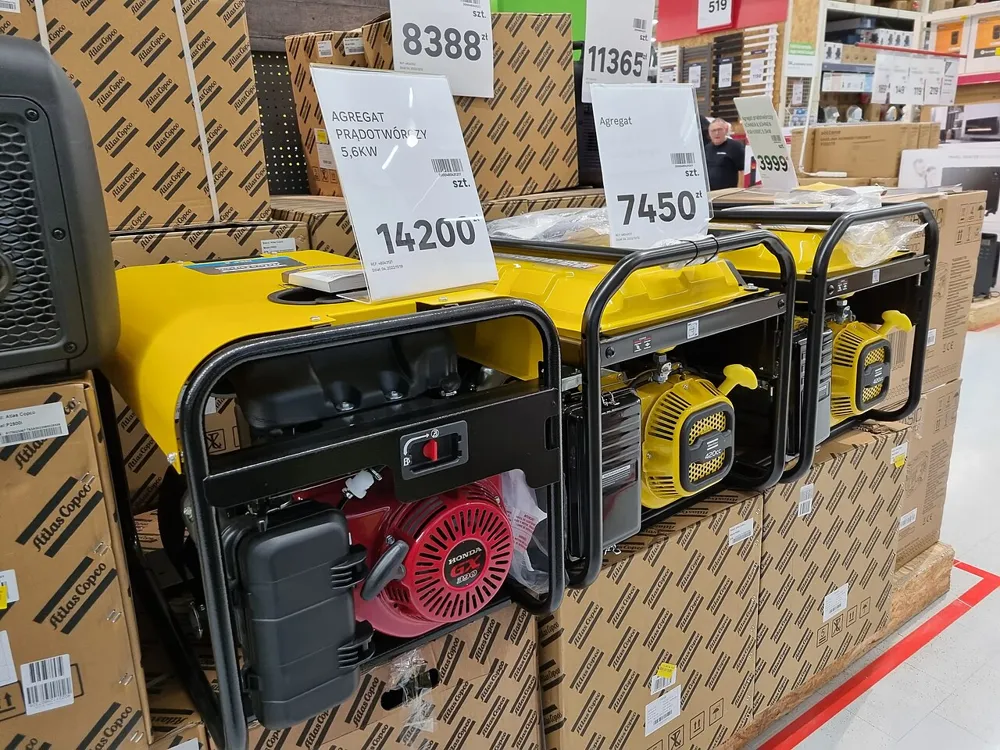
When the power goes out, a generator and a battery answer in opposite ways — and the right choice depends on how long the outage lasts. That is the watershed. For a short cut of a few hours, the battery wins: it switches over in milliseconds, makes no noise and no exhaust, and sits indoors. A standby generator with an automatic transfer switch takes about 10–30 seconds to restore power — long enough to crash a computer and stop a fridge compressor mid-cycle — and a portable generator needs someone home to start it. For a multi-day outage the picture reverses: a generator runs as long as fuel lasts, while a battery holds a fixed amount of energy and must be recharged. A portable generator runs about 8–12 hours on a tank at light to moderate load, then needs a cool-down, a refill and an oil check; a home battery recharges from solar panels the next day and needs no fuel at all. Noise is the other divide. A small inverter generator runs about 48–58 decibels at seven metres, roughly conversation level; an open-frame generator runs about 68–78 decibels, and every 10 decibels sounds roughly twice as loud, so the open-frame set sounds several times louder than a quiet inverter. A battery is silent. Placement follows the same split: a generator burns fuel and makes carbon monoxide, so safety guidance says outdoors only, more than 20 feet (about 6 metres) from any window, door or vent — never in a garage, even with the door open. A battery sits indoors, in a garage or a utility room, and makes no exhaust. The honest answer for most homes is not one machine or the other: a battery covers the first hours silently and automatically, and a generator covers the long stretch. Together they are the most capable home setup.
LJY Energy is a LiFePO4 battery supplier and OEM/ODM coordinator in Shenzhen; we are not a factory, and we do not sell generators. This guide covers the battery side of home backup — which pack size matches an essential load, how the runtime math works, and how the pack grows with the need. The generator figures here come from public manufacturer data and safety-agency guidance, and they are planning ranges, not specifications for any particular machine: check the nameplate and the manual of the generator you own or plan to buy. Two boundaries matter. First, this guide is about low-voltage home systems — 12 V, 24 V and 48 V packs — not about higher-voltage or commercial battery strings, and not about the inverter, the wiring or the installation, which come from your installer. Second, the numbers here are planning ranges: the load that sizes your pack is your own essential load in watts, and the pack size itself is confirmed per project in the quotation. Start with one pack and add modules in parallel as the need grows; the parallel limit for a bank is confirmed per project in the quotation, because it depends on the BMS configuration of the batteries you order.

Comparison reference
| Generator restore time, automatic switch | 10–30 s |
| Battery inverter switchover | 10–20 ms |
| Inverter generator noise at seven metres | 48–58 dB(A) |
| Open-frame generator noise at seven metres | 68–78 dB(A) |
| Portable generator run per tank | 8–12 h |
| Reference battery module energy | 5.12 kWh |
| Usable energy at eighty percent depth | 4.1 kWh |
| Generator clearance from openings | 20 ft |
| Longer outages | — |
Battery specifications live on the 51.2V 100Ah wall-mounted battery page; confirm values on the product page and in the written quotation for your project.
Worked example
An essential load of 500 W — fridge, a few lights, router and phone charging — draws 4000 Wh over 8 hours. A 5.12 kWh battery module holds about 4.1 kWh usable at 80% depth of discharge, so it covers roughly 8 hours — about one night of essentials. A mid-size portable generator covers a similar stretch on one tank at moderate load, about 8 hours, and then needs fuel, a cool-down and a refill. The difference shows on the second day: the battery recharges from solar while the generator needs another tank. Size from your own essential load, not from this example, and confirm the pack size per project in the quotation.
What to send before a proposal
- Your essential load in watts and the hours of backup you need — fridge, lights, router, well pump or medical device, and whether the load runs overnight
- Whether solar charging is part of the system, and the inverter model if one is already installed
- The longest outage you plan for, and whether a generator is already on site for multi-day cover
Request a sizing
Send the essential load, the hours you need covered and whether solar is part of the system. LJY Energy will work out the pack size and answer it in the quotation itself — which is where it belongs. Start with one pack and add modules in parallel as the need grows; the expansion model is fixed from day one so a second pack next year is a swap-in, not a redesign. If you already own a generator, the battery covers the first hours silently and the generator covers the long stretch — together they are the most capable home setup, and the battery lets the generator rest overnight instead of running around the clock. We coordinate OEM/ODM battery supply from Shenzhen; we are not a factory, and every order is confirmed in writing before production.

Request a home backup battery quote · WhatsApp +86 159 8945 0735